SpearfishingBermuda

Species guide

A field guide to the fish, rays and lobsters found around Bermuda. Learn how each species moves, where to look for it and why responsible identification matters before entering the water.

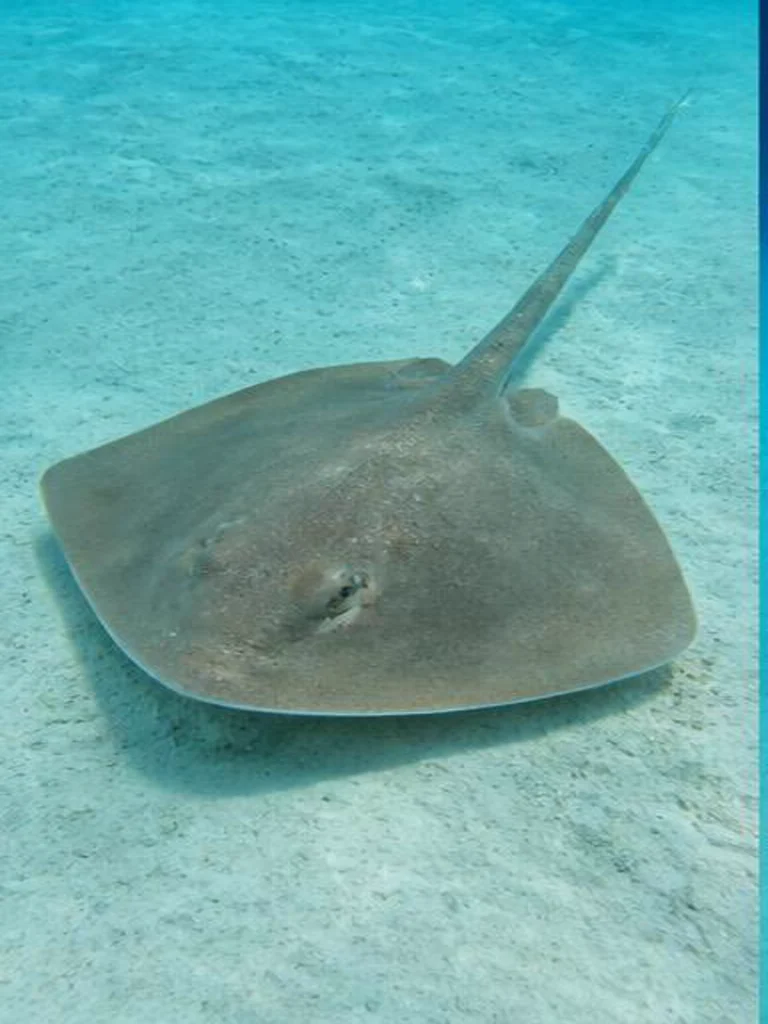
Protected — observe only
Typical size
1–1.5 m across
Where to identify it
Gliding over sand flats and seagrass, often half-buried near the seabed.
Legal status
Protected — observe only and never spear, retain or disturb this ray.
Season
Protected year-round; there is no open harvest season.
Conservation
Rays mature slowly and are vulnerable to fishing pressure. Give resting and feeding animals space.
Learn about this species →
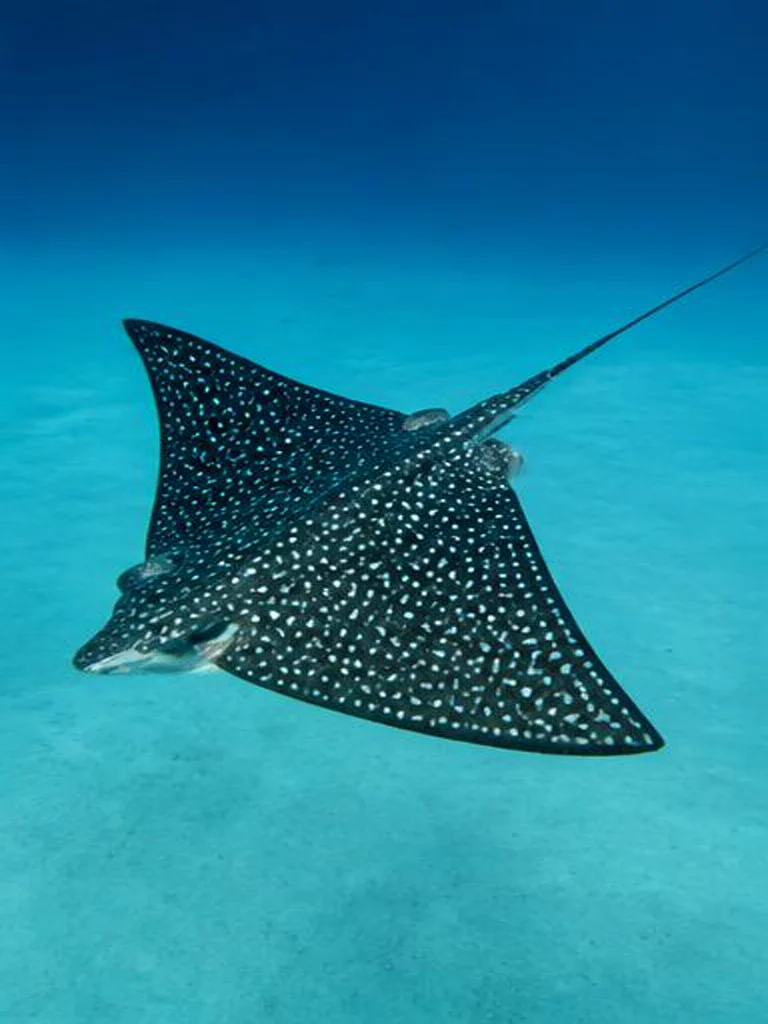
Protected — observe only
Typical size
1.5–2.5 m across
Where to identify it
Cruising the mid-water along reef edges and channels, often in small groups.
Legal status
Protected — observe only and never spear, retain or disturb this ray.
Season
Protected year-round; there is no open harvest season.
Conservation
Rays mature slowly and are vulnerable to fishing pressure. Give resting and feeding animals space.
Learn about this species →

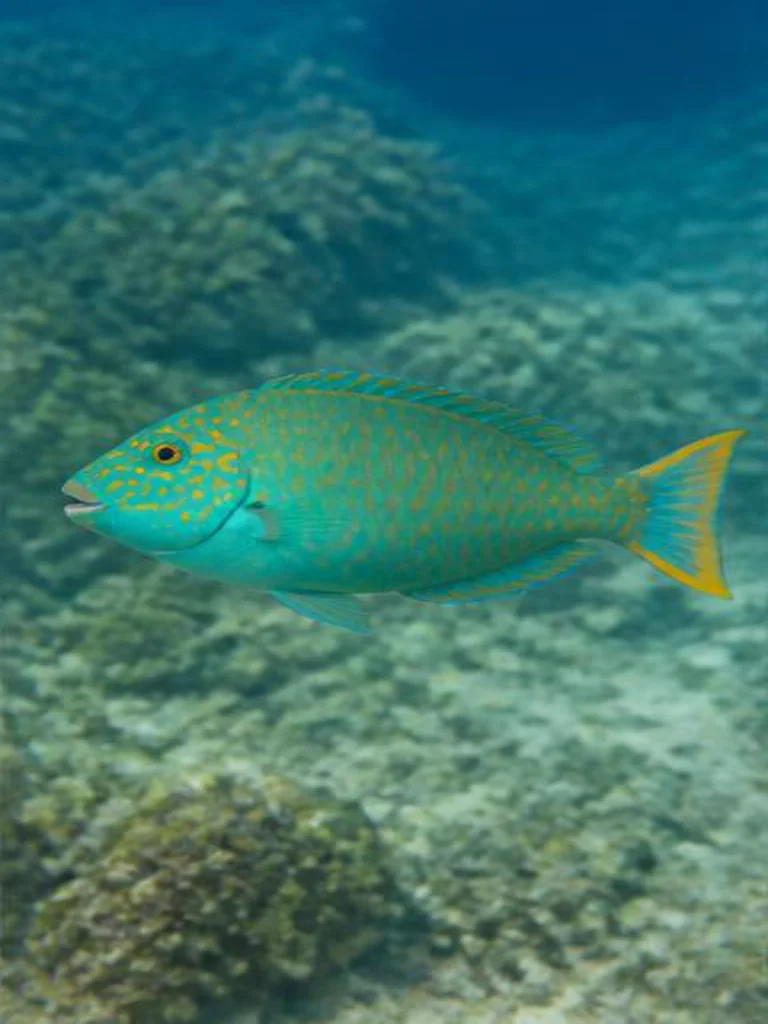
Stoplight Parrotfish (protected)

slow grazer, hugs the reef

Protected — observe only
Typical size
30–60 cm
Where to identify it
Grazing algae directly off coral heads and rock, almost glued to the reef.
Legal status
Protected — harvesting any parrotfish is prohibited in Bermuda.
Season
Protected year-round; there is no open harvest season.
Conservation
Parrotfish graze algae from reef surfaces, helping corals compete for space and remain healthy.
Learn about this species →

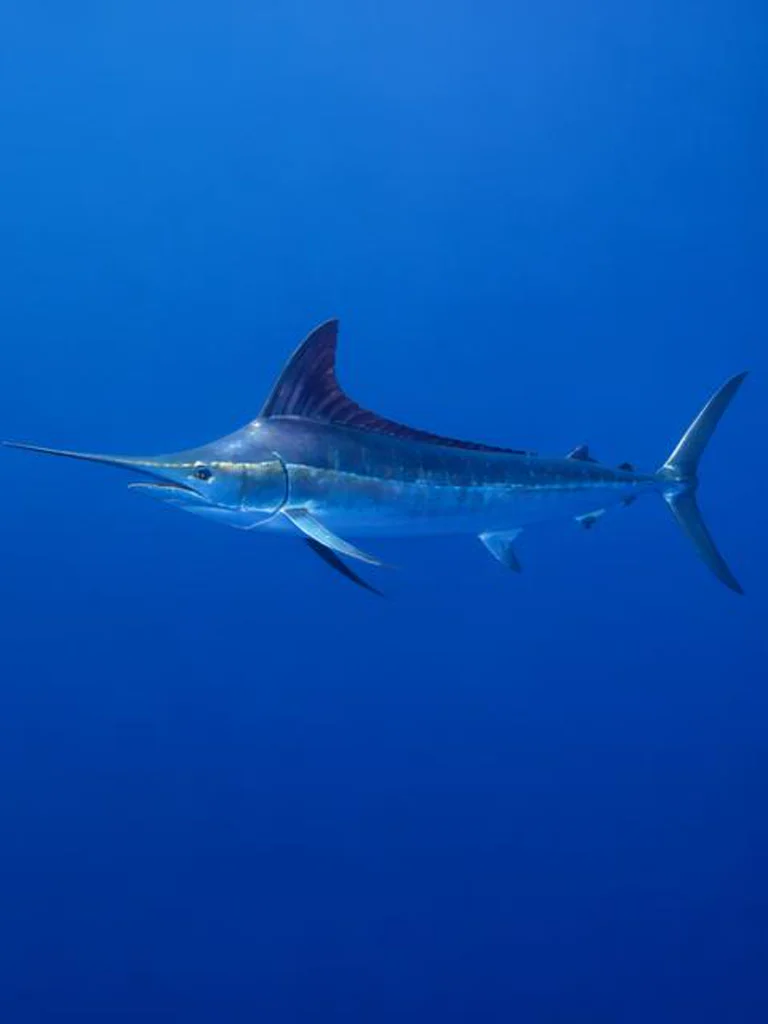
Atlantic Blue Marlin

darts in quick bursts

Native reef species
Typical size
2–4 m
Where to identify it
Deep blue water over the offshore banks; a flash of cobalt and a bill, gone in a heartbeat.
Legal status
Legal recreational catch when current fishing, licensing, gear and reporting rules are followed; recreational catch may not be sold.
Season
No species-specific recreational closure listed; abundance around Bermuda changes seasonally.
Conservation
These wide-ranging pelagic fish cross jurisdictions. Take only what you can use and check current limits before departure.
Learn about this species →

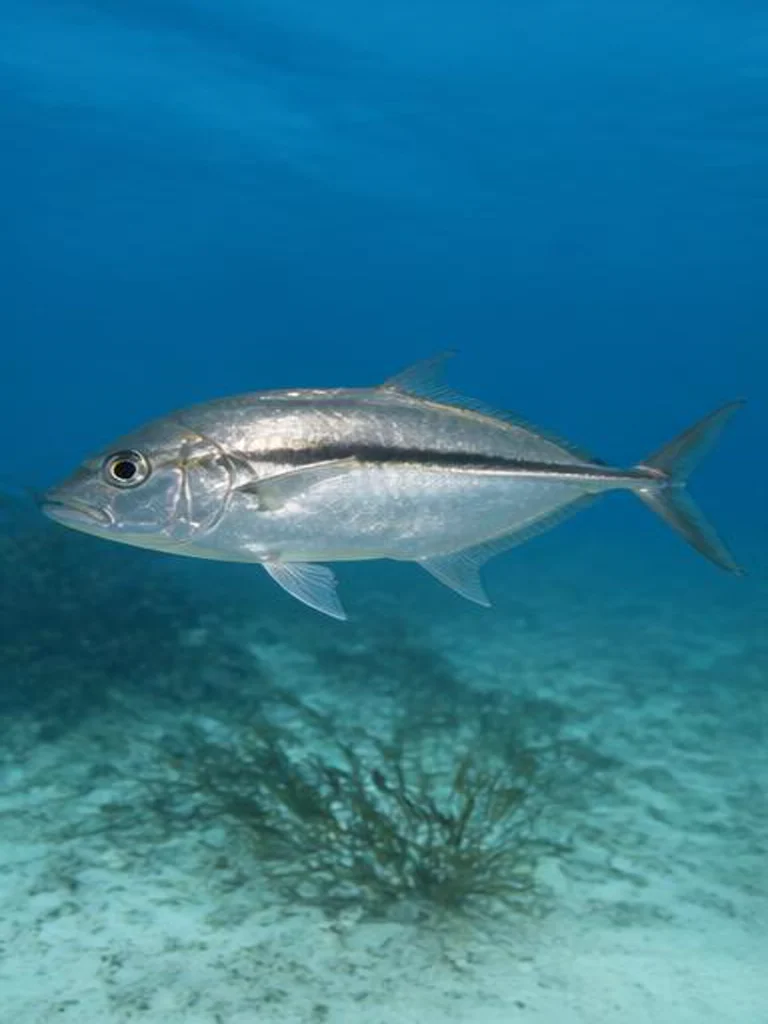
Bar Jack

darts in quick bursts

Native reef species
Typical size
30–60 cm
Where to identify it
Open water over sand flats and reef slopes; hunts in fast, flashing bursts.
Legal status
Not listed here as protected; all Bermuda licensing, size, catch, gear and area rules still apply.
Season
No species-specific closed season listed; check current government notices before fishing.
Conservation
Use selective harvest, leave juveniles and breeding fish, and take only what you will eat.
Learn about this species →

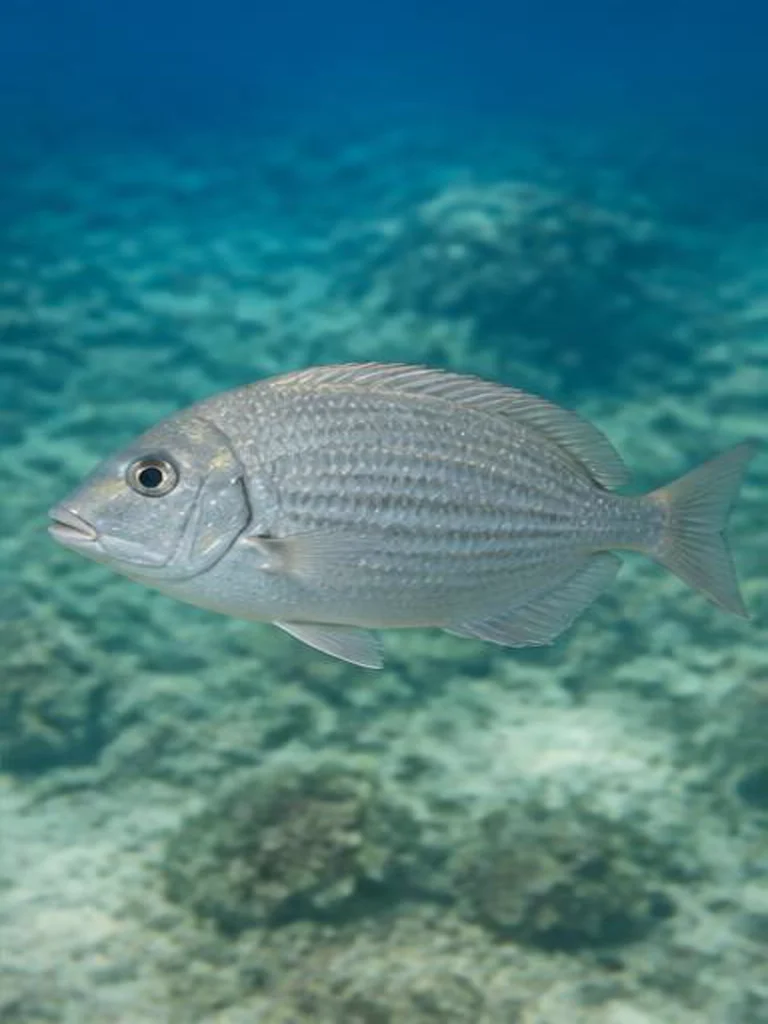
Bermuda Chub

steady cruiser

Native reef species
Typical size
30–50 cm
Where to identify it
Schools over shallow reefs and around moorings; often follows divers.
Legal status
Not listed here as protected; all Bermuda licensing, size, catch, gear and area rules still apply.
Season
No species-specific closed season listed; check current government notices before fishing.
Conservation
Use selective harvest, leave juveniles and breeding fish, and take only what you will eat.
Learn about this species →

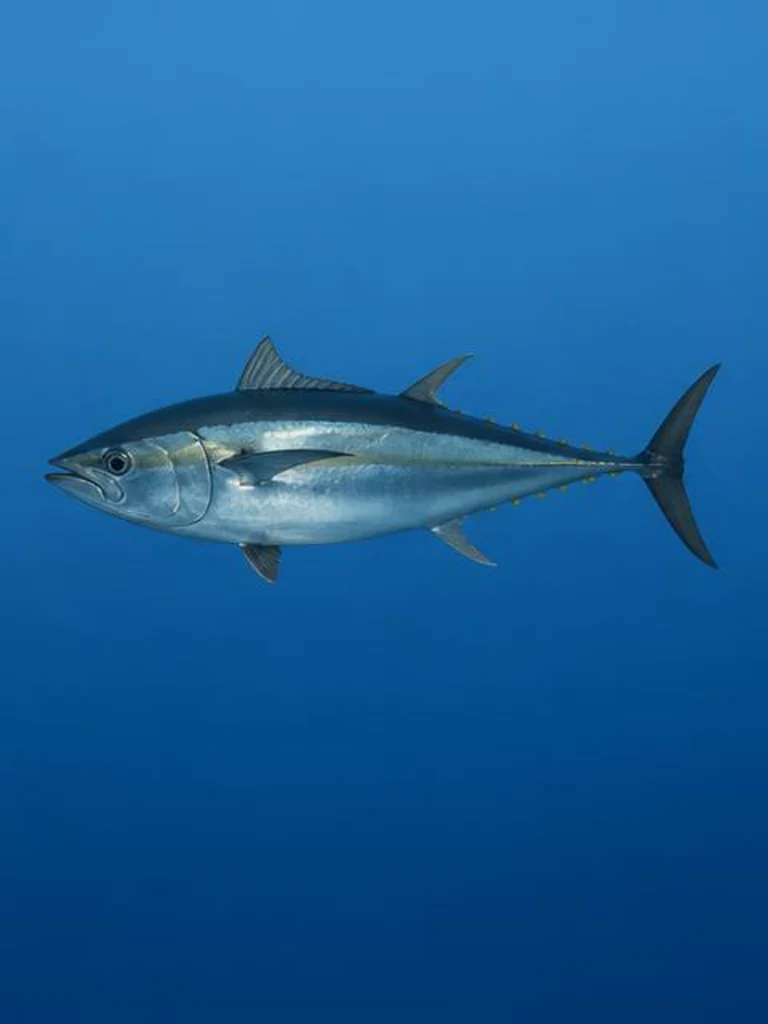
Blackfin Tuna

darts in quick bursts

Native reef species
Typical size
50–75 cm
Where to identify it
Blue water off the reef line and over the offshore banks, often under bird schools.
Legal status
Legal recreational catch when current fishing, licensing, gear and reporting rules are followed; recreational catch may not be sold.
Season
No species-specific recreational closure listed; abundance around Bermuda changes seasonally.
Conservation
These wide-ranging pelagic fish cross jurisdictions. Take only what you can use and check current limits before departure.
Learn about this species →

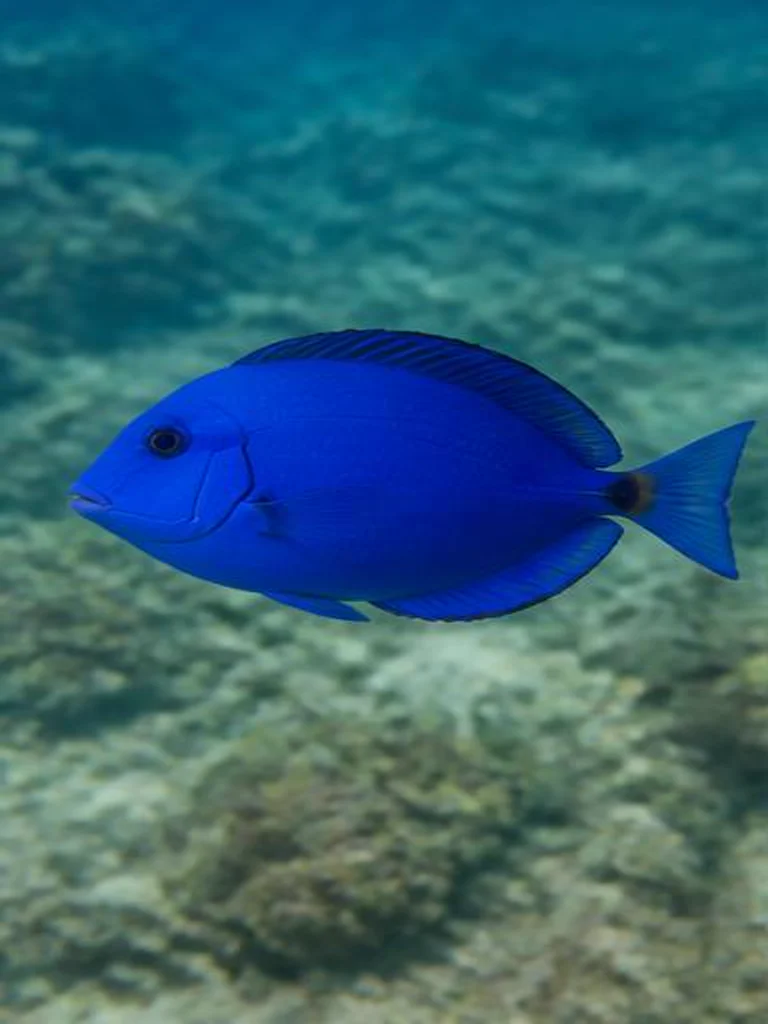
Blue Tang

gentle drifter

Native reef species
Typical size
15–30 cm
Where to identify it
Shallow reefs and rocky ledges, drifting in small groups over algae-covered rock.
Legal status
Not listed here as protected; all Bermuda licensing, size, catch, gear and area rules still apply.
Season
No species-specific closed season listed; check current government notices before fishing.
Conservation
Use selective harvest, leave juveniles and breeding fish, and take only what you will eat.
Learn about this species →

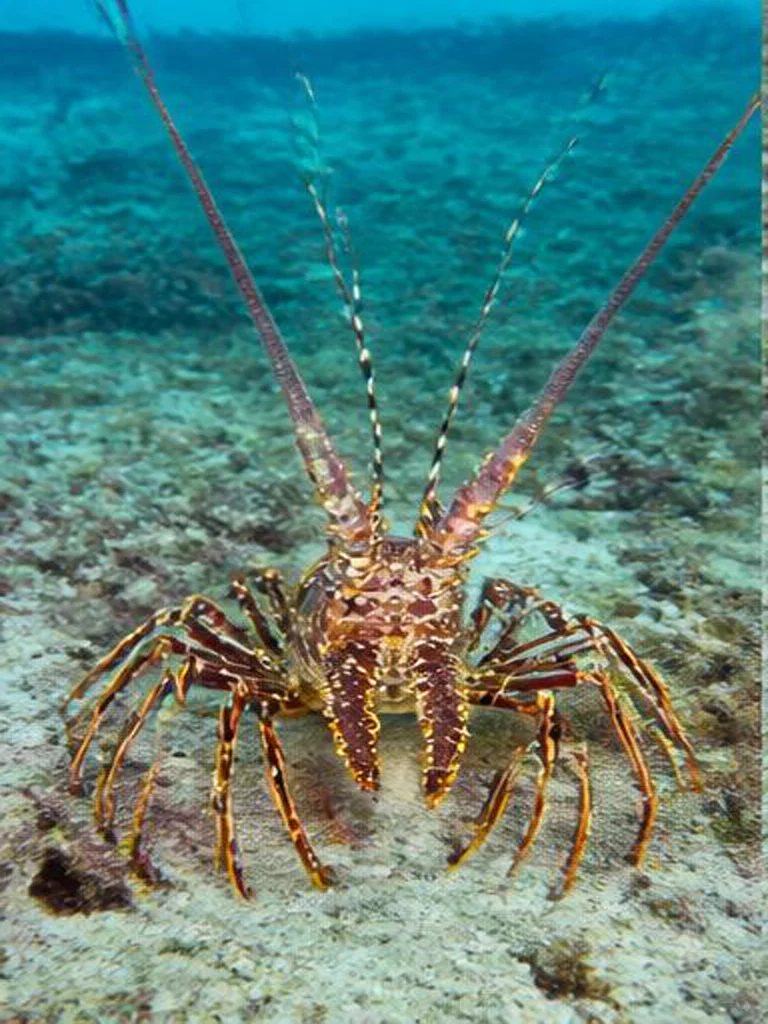
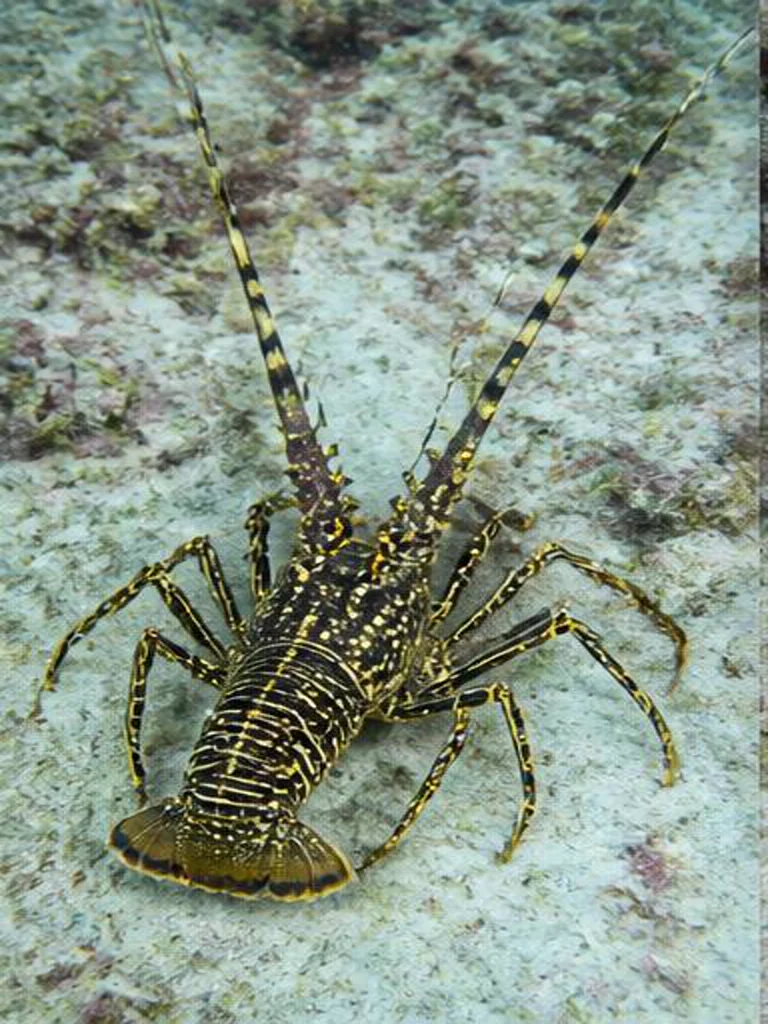
Caribbean Spiny Lobster

scuttles along the seabed

Native reef species
Typical size
30–60 cm
Where to identify it
Holes and ledges on the seabed by day; backs into crevices when approached.
Legal status
Restricted — a recreational lobster licence, size compliance and all lobster rules apply; berried females must not be taken.
Season
Open 1 September–31 March; closed 1 April–31 August.
Conservation
Measure before retaining and leave egg-bearing females undisturbed so the population can reproduce.
Learn about this species →

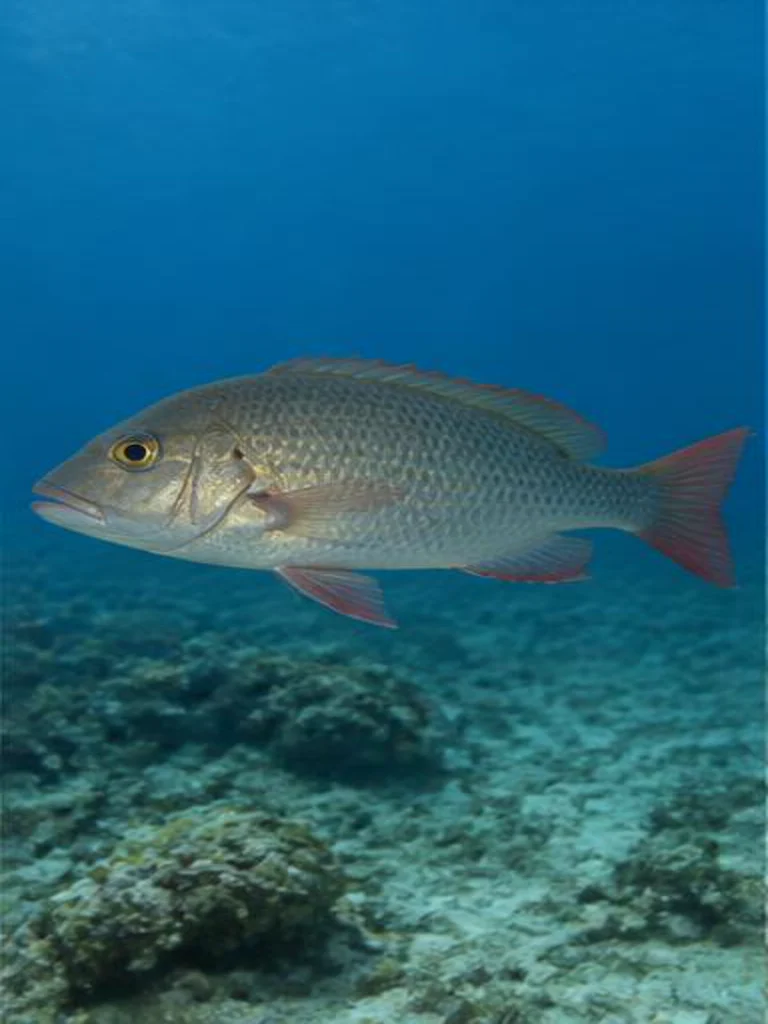
Gray Snapper

hangs still, then bolts

Native reef species
Typical size
30–60 cm
Where to identify it
Ledges, wrecks and patch reef; hovers near structure, wary of divers.
Legal status
Legal when all current fishing, minimum-size, licensing and gear rules are followed.
Season
No species-specific closed season; minimum size is 25 cm (10 in).
Conservation
Larger adults are important breeders. Selective, modest harvest protects the local population.
Learn about this species →

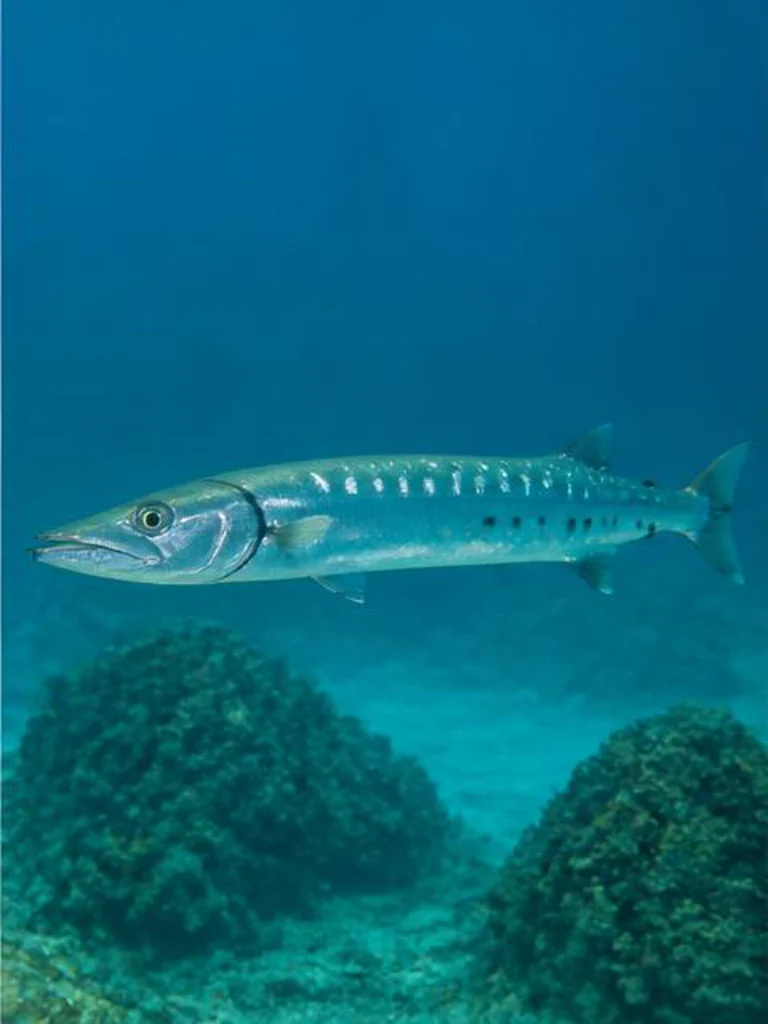
Great Barracuda

hangs still, then bolts

Native reef species
Typical size
60–150 cm
Where to identify it
Hangs motionless mid-water over the reef edge, then bolts after prey.
Legal status
Not listed here as protected, but all Bermuda licensing, legal gear and area rules still apply.
Season
No species-specific closed season listed; check current government notices.
Conservation
Large reef predators support a balanced food web and may carry ciguatera; observation is the safer choice.
Learn about this species →

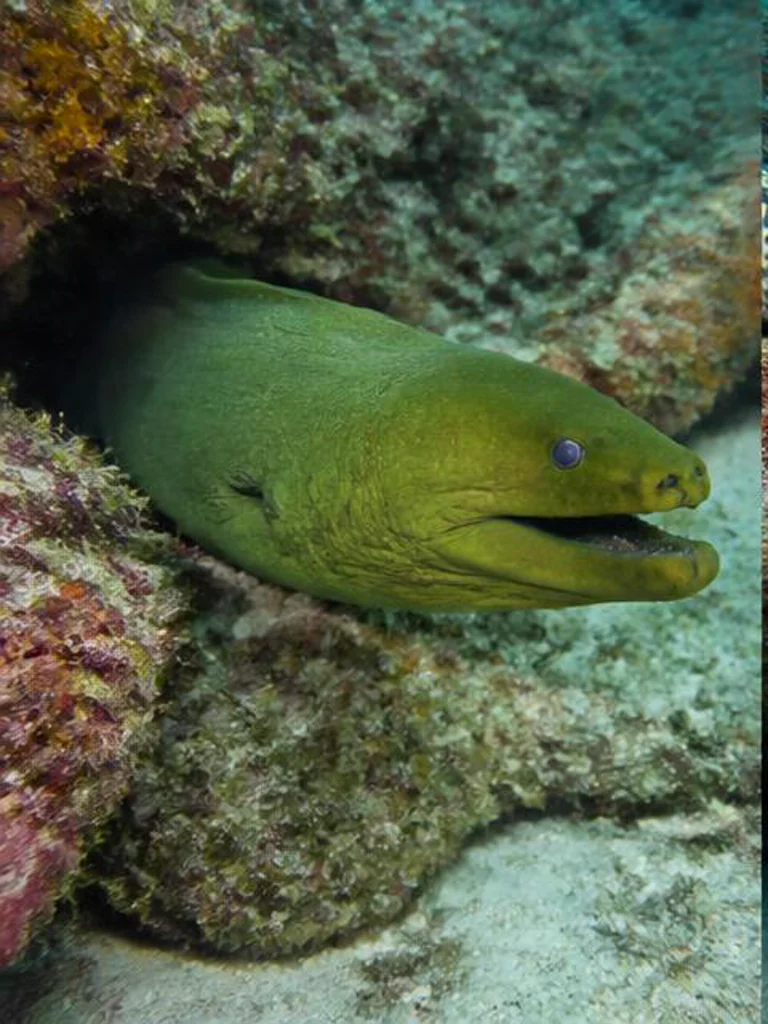
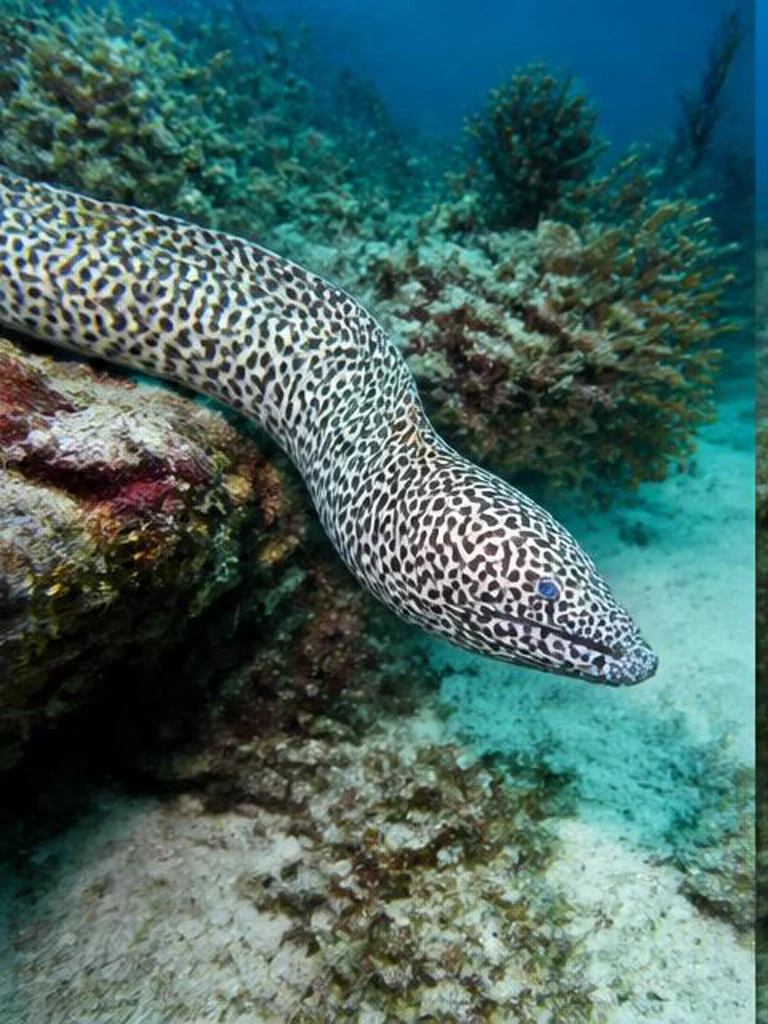
Green Moray Eel

hangs still, then bolts

Native reef species
Typical size
100–180 cm
Where to identify it
Holes and ledges in the reef; head out of a crevice by day, hunting at night.
Legal status
Not listed here as protected, but all Bermuda licensing, legal gear and area rules still apply.
Season
No species-specific closed season listed; check current government notices.
Conservation
Large reef predators support a balanced food web and may carry ciguatera; observation is the safer choice.
Learn about this species →

Guinea Chick Lobster

scuttles along the seabed

Native reef species
Typical size
20–35 cm
Where to identify it
Shallow rocky bottom and seagrass edges, scuttling between cover.
Legal status
Restricted — a recreational lobster licence and species-specific size rules apply.
Season
Open 1 September–31 March; closed 1 April–31 August.
Conservation
Check the animal carefully before retaining it and protect breeding females and undersized lobsters.
Learn about this species →

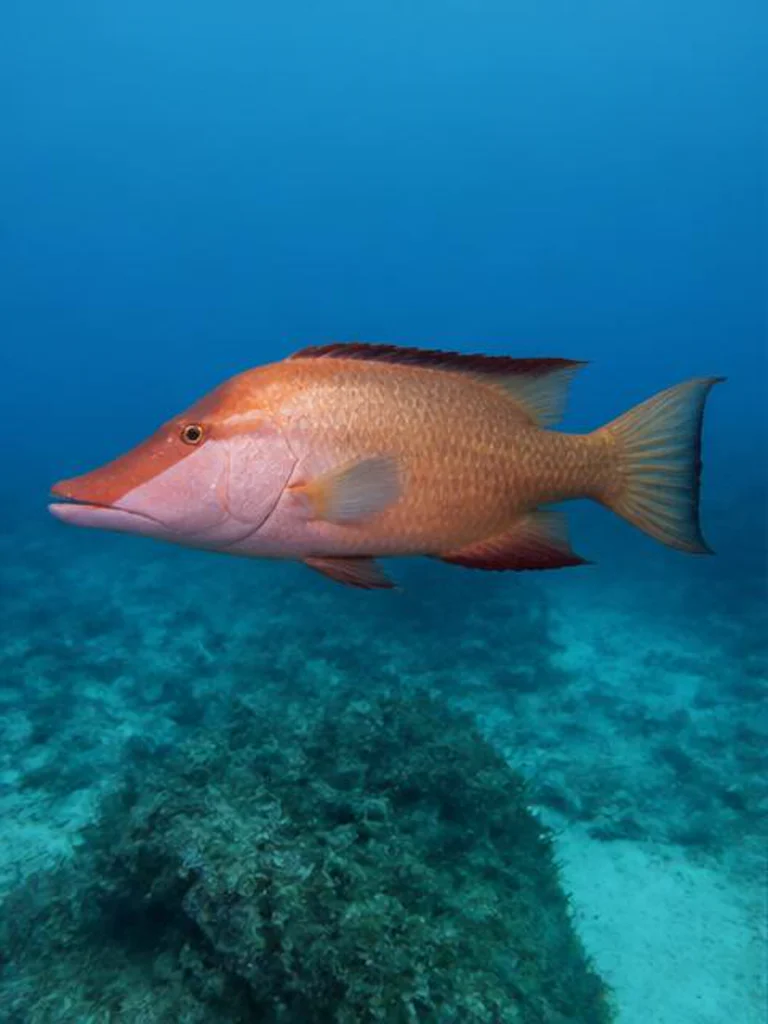
Hogfish

slow grazer, hugs the reef

Native reef species
Typical size
30–60 cm
Where to identify it
Rooting in sand at the reef base, snout-down, often ignoring divers.
Legal status
Legal when all current fishing, minimum-size, licensing and gear rules are followed.
Season
No species-specific closed season; minimum size is 35 cm (14 in).
Conservation
Hogfish are easy to approach while feeding; avoid taking juveniles or more than you can use.
Learn about this species →

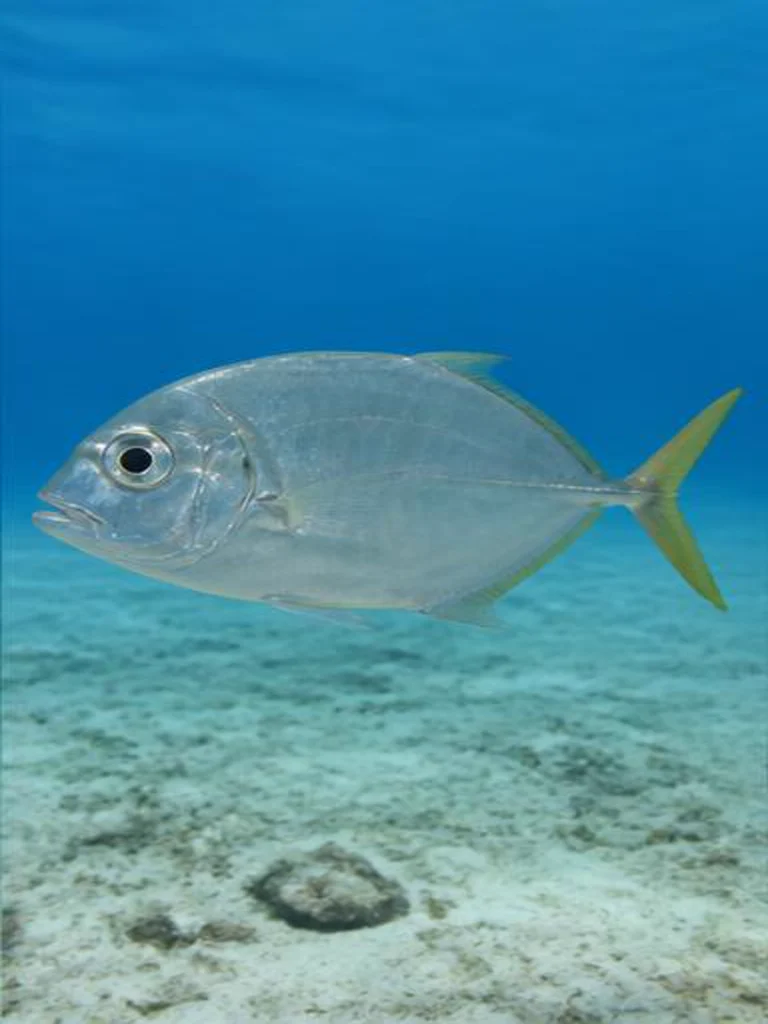
Horse-eye Jack

steady cruiser

Native reef species
Typical size
40–75 cm
Where to identify it
Schools cruising blue water just off the reef edge and around bait balls.
Legal status
Not listed here as protected; all Bermuda licensing, size, catch, gear and area rules still apply.
Season
No species-specific closed season listed; check current government notices before fishing.
Conservation
Use selective harvest, leave juveniles and breeding fish, and take only what you will eat.
Learn about this species →

Lane Snapper

gentle drifter

Native reef species
Typical size
25–36 cm
Where to identify it
Sand and rubble between patch reefs, drifting in loose groups.
Legal status
Not listed here as protected; all Bermuda licensing, size, catch, gear and area rules still apply.
Season
No species-specific closed season listed; check current government notices before fishing.
Conservation
Use selective harvest, leave juveniles and breeding fish, and take only what you will eat.
Learn about this species →

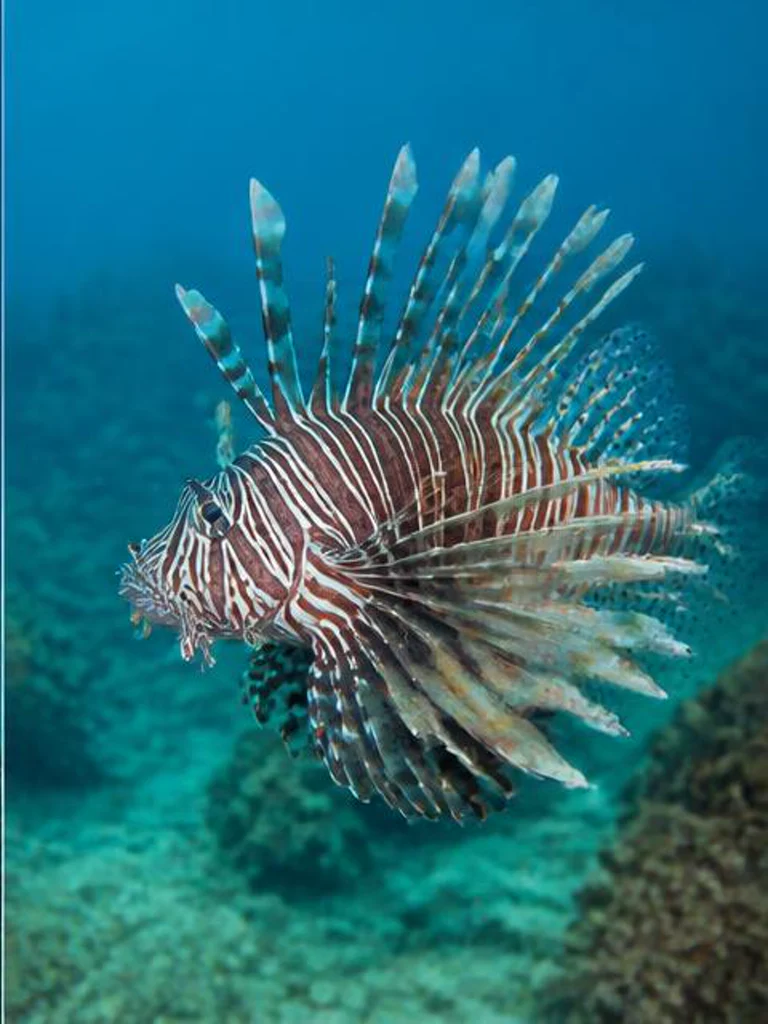
Lionfish (invasive!)

gentle drifter

Invasive species
Typical size
20–38 cm
Where to identify it
Under ledges and in reef crevices, hovering head-down near structure.
Legal status
Invasive species — targeted removal is encouraged; handle its venomous spines carefully.
Season
No species-specific closed season.
Conservation
Careful removal reduces predation on native juvenile reef fish. Never handle an unidentified spine bare-handed.
Learn about this species →

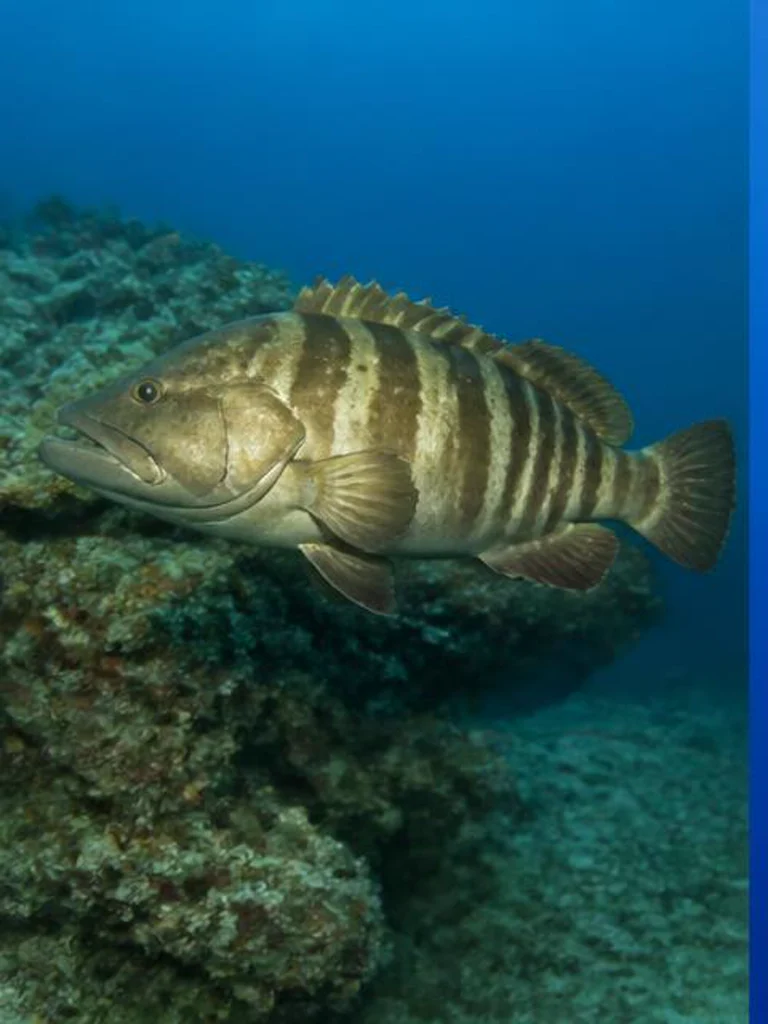
Nassau Grouper

hangs still, then bolts

Native reef species
Typical size
60–120 cm
Where to identify it
Reef ledges, wrecks and drop-offs; a giant that hovers near its hole and barely moves for divers.
Legal status
Protected in Bermuda — this species must not be taken.
Season
Protected year-round; there is no open harvest season.
Conservation
A threatened, slow-growing grouper harmed by fishing at predictable spawning gatherings.
Learn about this species →

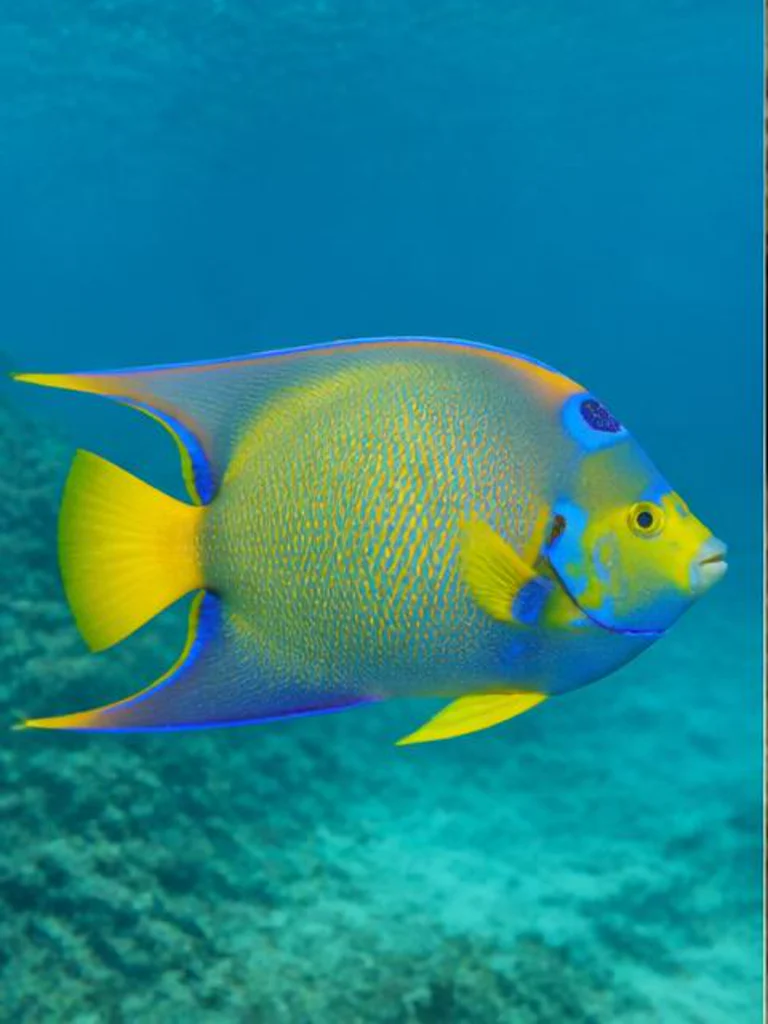
Queen Angelfish

slow grazer, hugs the reef

Native reef species
Typical size
25–45 cm
Where to identify it
Cruising coral heads and sponge gardens, picking at sponges.
Legal status
Not listed here as protected; all Bermuda licensing, size, catch, gear and area rules still apply.
Season
No species-specific closed season listed; check current government notices before fishing.
Conservation
Use selective harvest, leave juveniles and breeding fish, and take only what you will eat.
Learn about this species →

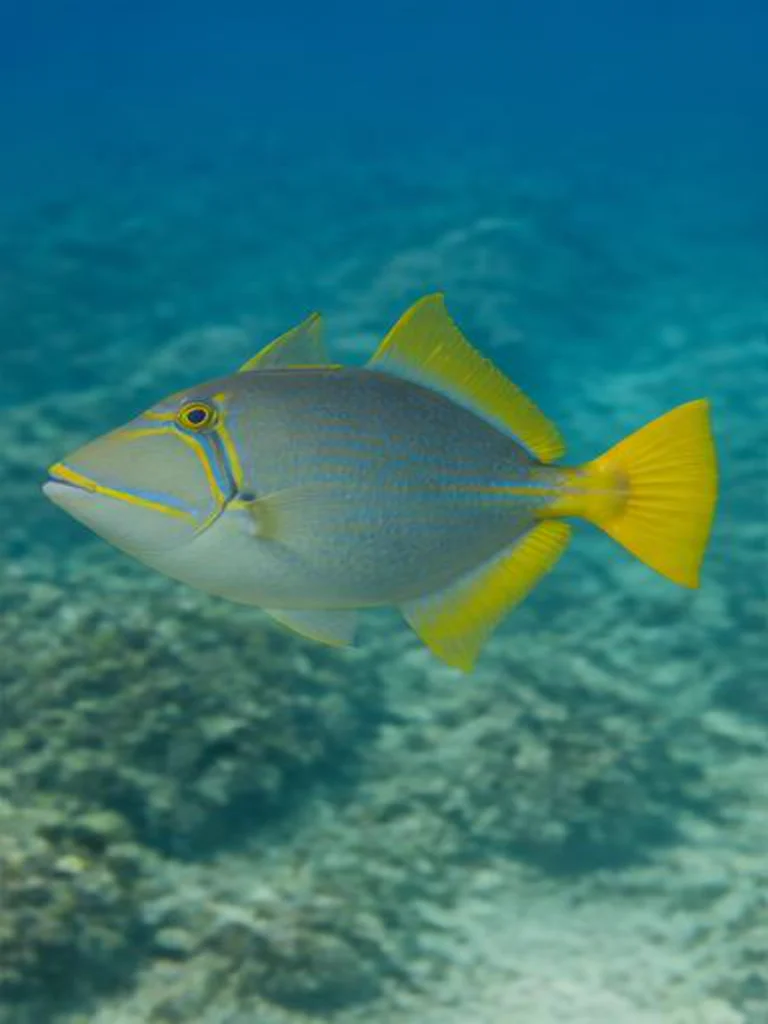
Queen Triggerfish

darts in quick bursts

Native reef species
Typical size
30–60 cm
Where to identify it
Sandy pockets and rubble near reef ledges; darts for cover when spooked.
Legal status
Legal when all current fishing, minimum-size, licensing and gear rules are followed.
Season
No species-specific closed season; minimum size is 30 cm (12 in).
Conservation
Use selective harvest and leave smaller fish to mature on Bermuda's reefs.
Learn about this species →

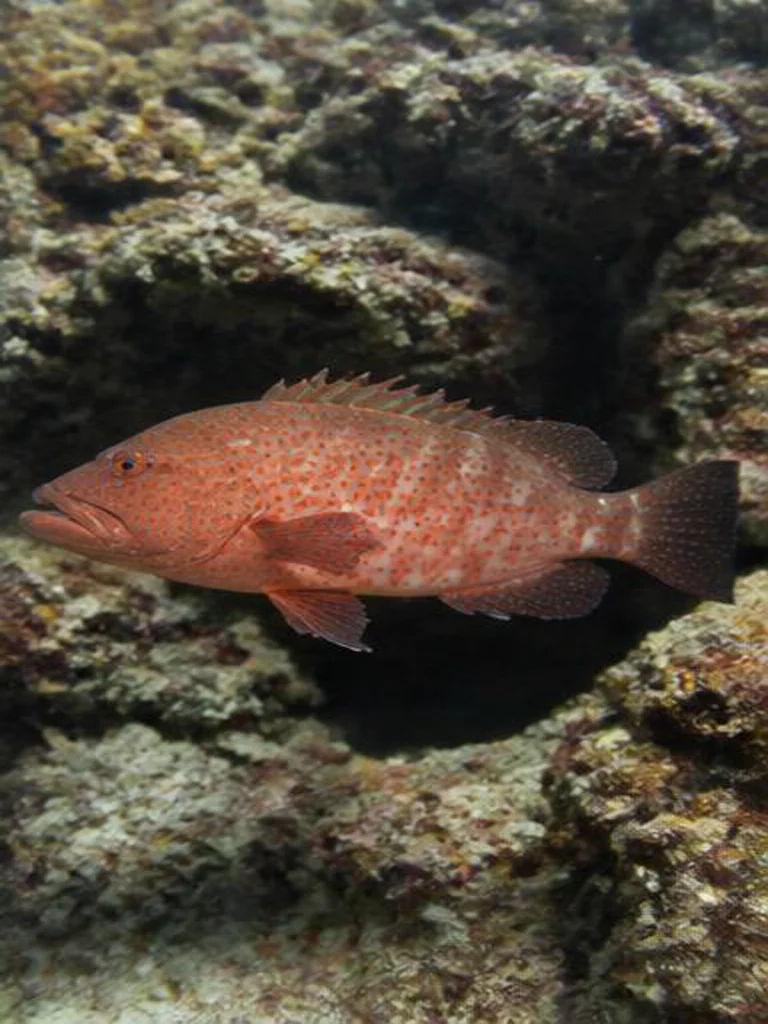
Red Hind

hangs still, then bolts

Native reef species
Typical size
30–50 cm
Where to identify it
Bermuda's grouper of the flats and patch reef — sits on the bottom near holes and ledges.
Legal status
Regulated — minimum size and daily catch limits apply outside seasonal protected areas.
Season
Seasonal protected-area closure runs 15 April–31 August; verify current notices before fishing.
Conservation
Spawning groups are especially easy to overfish. Respect closed areas and leave larger breeding fish on the reef.
Learn about this species →

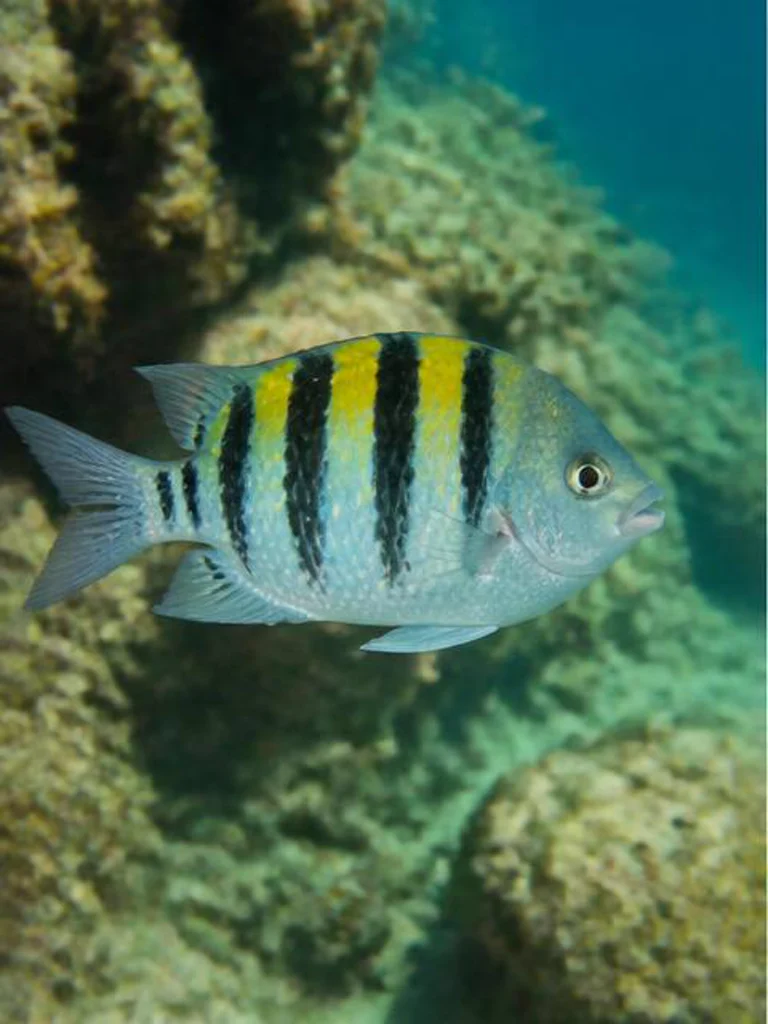
Sergeant Major

gentle drifter

Native reef species
Typical size
10–20 cm
Where to identify it
Shallow water everywhere — around rocks, buoys and piers in busy schools.
Legal status
Not listed here as protected; all Bermuda licensing, size, catch, gear and area rules still apply.
Season
No species-specific closed season listed; check current government notices before fishing.
Conservation
Use selective harvest, leave juveniles and breeding fish, and take only what you will eat.
Learn about this species →

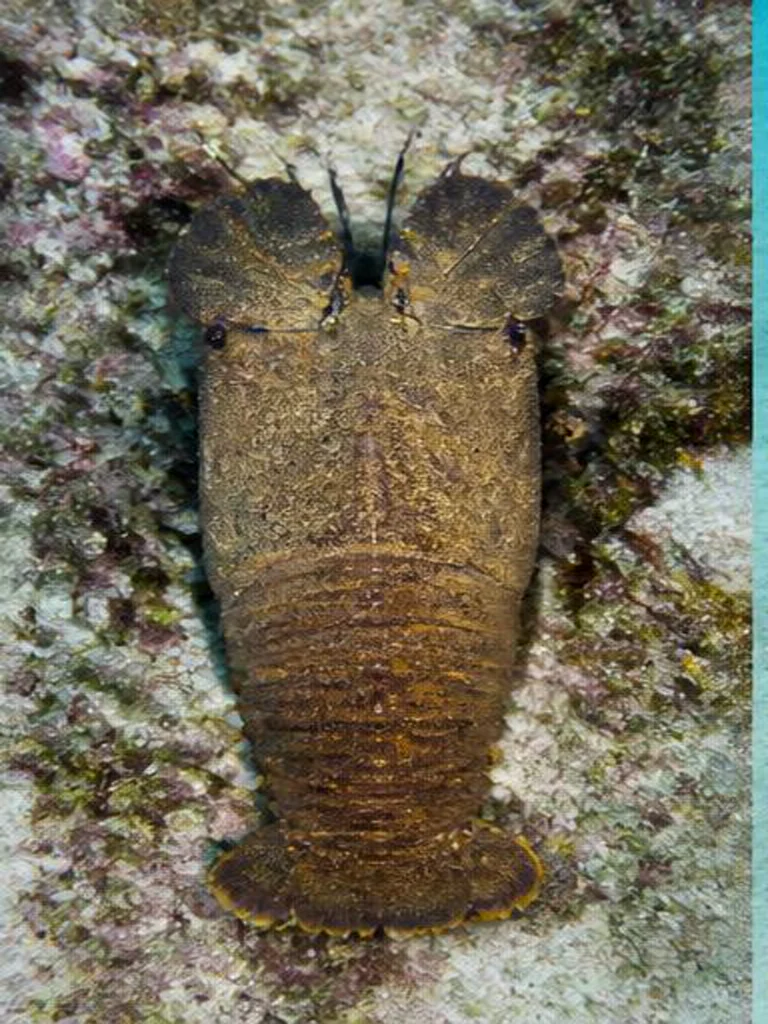
Spanish Slipper Lobster

scuttles along the seabed

Native reef species
Typical size
15–30 cm
Where to identify it
Flattened against rock under ledges and wreck plating, hard to spot until it moves.
Legal status
Restricted — a recreational lobster licence and species-specific size rules apply.
Season
Open 1 September–31 March; closed 1 April–31 August.
Conservation
Check the animal carefully before retaining it and protect breeding females and undersized lobsters.
Learn about this species →

Spotted Moray Eel

hangs still, then bolts

Native reef species
Typical size
60–100 cm
Where to identify it
Shallow reef crevices and rubble; weaves along the bottom between coral heads.
Legal status
Not listed here as protected, but all Bermuda licensing, legal gear and area rules still apply.
Season
No species-specific closed season listed; check current government notices.
Conservation
Large reef predators support a balanced food web and may carry ciguatera; observation is the safer choice.
Learn about this species →

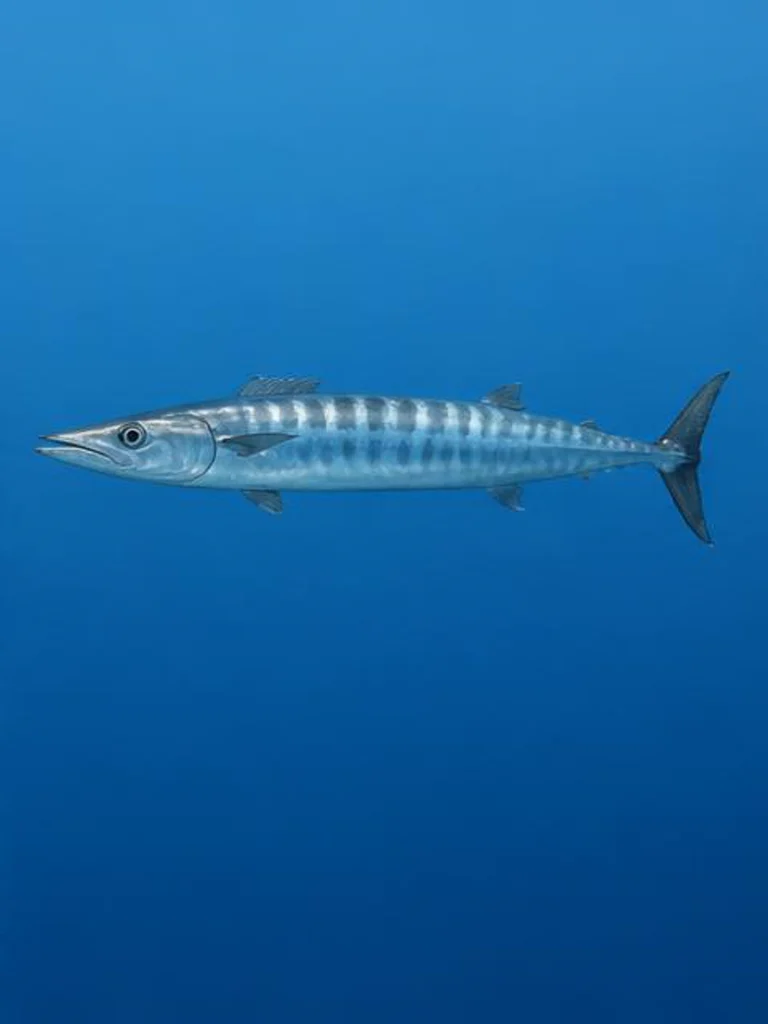
Wahoo

steady cruiser

Native reef species
Typical size
100–180 cm
Where to identify it
Blue water off the reef line and around offshore banks; rockets past in seconds.
Legal status
Legal recreational catch when current fishing, licensing, gear and reporting rules are followed; recreational catch may not be sold.
Season
No species-specific recreational closure listed; abundance around Bermuda changes seasonally.
Conservation
These wide-ranging pelagic fish cross jurisdictions. Take only what you can use and check current limits before departure.
Learn about this species →

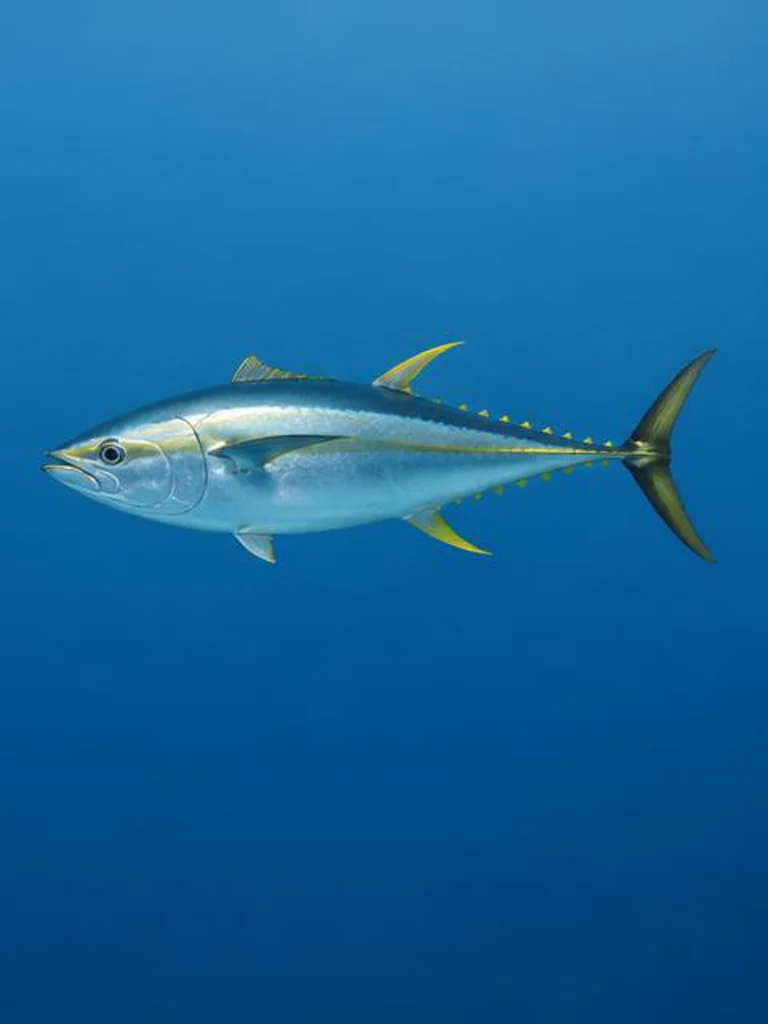
Yellowfin Tuna

darts in quick bursts

Native reef species
Typical size
80–150 cm
Where to identify it
Deep blue water beyond the reef, Challenger and Argus Banks in the warm months.
Legal status
Legal recreational catch when current fishing, licensing, gear and reporting rules are followed; recreational catch may not be sold.
Season
No species-specific recreational closure listed; abundance around Bermuda changes seasonally.
Conservation
These wide-ranging pelagic fish cross jurisdictions. Take only what you can use and check current limits before departure.
Learn about this species →

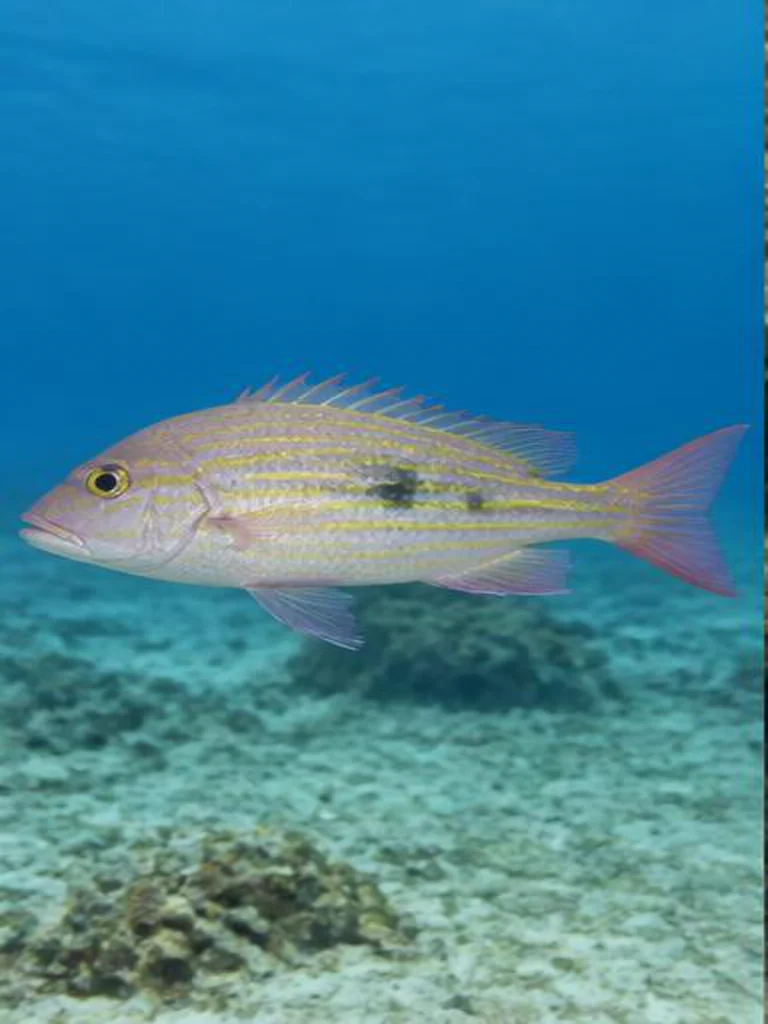
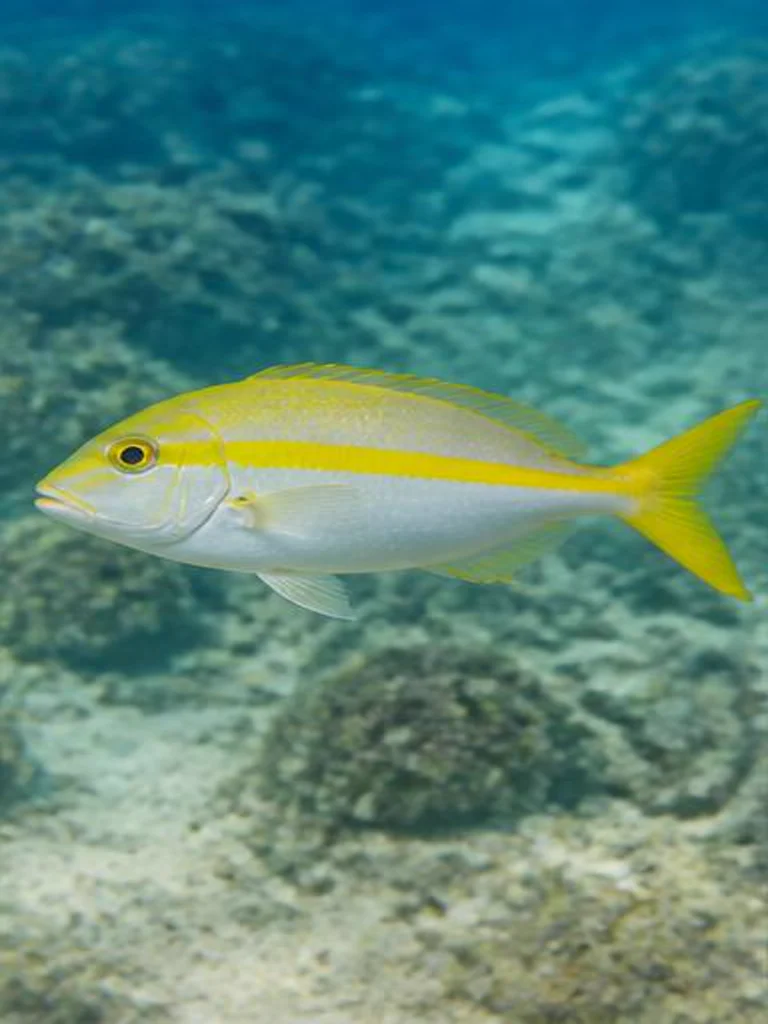
Yellowtail Snapper

steady cruiser

Native reef species
Typical size
30–50 cm
Where to identify it
Upper water column over sand and reef edges; schools around current lines.
Legal status
Legal when all current fishing, minimum-size, licensing and gear rules are followed.
Season
No species-specific closed season; minimum size is 30 cm (12 in).
Conservation
Take only mature fish you will use and avoid repeatedly targeting one small school.
Learn about this species →

Before you take anything

In real Bermuda waters, spearfishing needs a resident licence, a pole spear, freediving only, and a stay outside the one-mile line. Parrotfish are protected, lionfish are a free-for-all, and lobsters have their own season, size limits and rules. Check the licence page and the season calendar before you dive.